English
 Español
 Français
 Magyar
 日本語
日本語 Polski
 Română
 Slovenský
 Slovenščina
 中文
中文Der Weg der Musikwerke vom Komponisten zum Interpreten
Die Aufgabe eines Musikverlags besteht darin, die musikalischen Gedanken der Komponisten in eine für die Interpreten gut lesbare, inspirierende und gut nutzbare Form zu bringen; für die Bekanntmachung, Verbreitung und rechtmäßige Nutzung der Werke zu sorgen. Mit der Erfahrung von drei Vierteljahrhunderten im Rücken erfüllen wir diese ehrenvolle Aufgabe kompetent, engagiert und mit Begeisterung.
Wir danken den Komponisten und Musikpädagogen dafür, dass sie uns die Betreuung ihrer Werke anvertrauen.
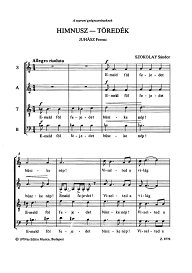
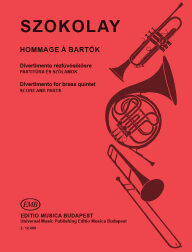
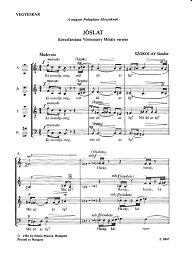
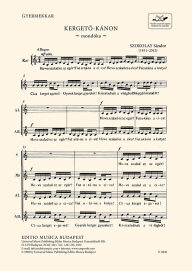
Szokolay, Sándor
 Szokolay soon found his métier in vocal and dramatic music. He gained an impressive success with the oratorio A tűz márciusa (“Fiery March”, 1957–58). In other works, he developed a definite inclination towards folk traditions. In these compositions, though he did not move far from Hungarian national intonation, he made reference to the ecstatic rhythms and instinctive expression of certain African peoples, so creating an individual style that shows certain affinities with the work of Bartók, Stravinsky and Orff. But all this was only a preparation for a major operatic undertaking, Blood Wedding (1962–64), based on Lorca’s play. While opera also played a major role in Szokolay’s oeuvre later, the intervening years saw the creation, alongside some instrumental compositions, of a number of oratorios and other choral works.
Biography
His most important prizes and awards
Erkel Prize (1961, 1965); Kossuth Prize (1966, for his opera Vérnász); Artist of Merit (1976); Outstanding Artist (1986); Bartók–Pásztory Award (1987); Award for the Hungarian Art (1993); Hungarian Heritage Prize (1998); Kodály Prize (1999); Corvin Chain (2001); Artisjus Prize (2011)