Deutsch
 English
 Español
 Français
 Magyar
 Polski
 Română
 Slovenský
 Slovenščina
 中文
音楽作品が作曲者から演奏者へ届くまで
楽譜出版社の使命は、紙媒体またはコンピュータ上の原稿を、演奏者にとって読みやすく、創造意欲をかき立て、使いやすい形に整えること、そして作品の普及、流通および適法な利用を確保することです。
75年にわたる経験を礎に、私たちはこの尊い仕事に思慮深く、献身的に、そして情熱をもって取り組んでいます。
作品を私たちに託してくださる作曲家および音楽教師の皆様に感謝申し上げます。
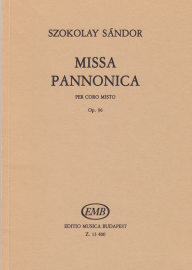
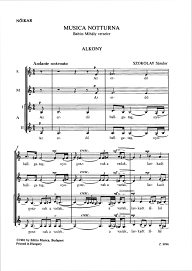
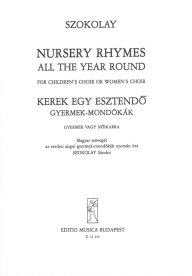
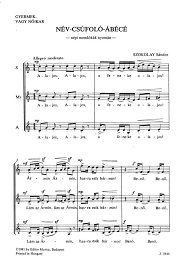
Szokolay, Sándor
 Szokolay soon found his métier in vocal and dramatic music. He gained an impressive success with the oratorio A tűz márciusa (“Fiery March”, 1957–58). In other works, he developed a definite inclination towards folk traditions. In these compositions, though he did not move far from Hungarian national intonation, he made reference to the ecstatic rhythms and instinctive expression of certain African peoples, so creating an individual style that shows certain affinities with the work of Bartók, Stravinsky and Orff. But all this was only a preparation for a major operatic undertaking, Blood Wedding (1962–64), based on Lorca’s play. While opera also played a major role in Szokolay’s oeuvre later, the intervening years saw the creation, alongside some instrumental compositions, of a number of oratorios and other choral works.
Biography
His most important prizes and awards
Erkel Prize (1961, 1965); Kossuth Prize (1966, for his opera Vérnász); Artist of Merit (1976); Outstanding Artist (1986); Bartók–Pásztory Award (1987); Award for the Hungarian Art (1993); Hungarian Heritage Prize (1998); Kodály Prize (1999); Corvin Chain (2001); Artisjus Prize (2011)