Cesta hudobných diel od autora k interpretovi

Úlohou hudobného vydavateľstva je dať hudobným myšlienkam autorov podobu, ktorá je pre interpretov dobre čitateľná, inšpiratívna a prakticky použiteľná; postarať sa o propagáciu, distribúciu a zákonné využívanie diel. S trojštvrťstoročnými skúsenosťami za sebou vykonávame túto čestnú prácu odborne, s oddanosťou a nadšením.

Ďakujeme skladateľom a pedagógom hudby, že nám zverujú starostlivosť o svoje diela.

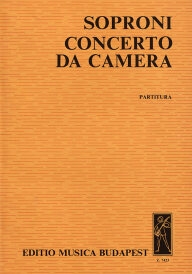
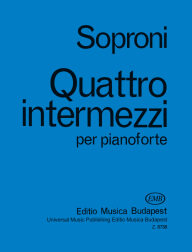
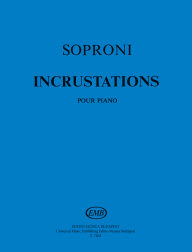
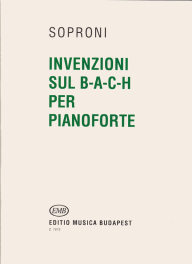
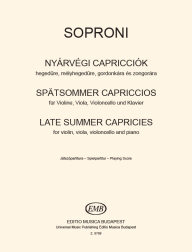
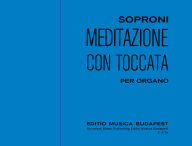
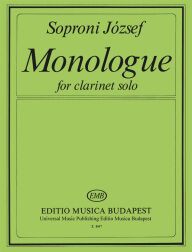
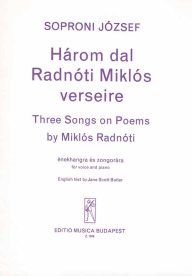
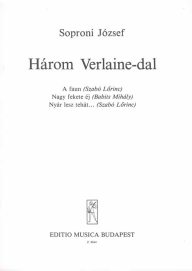
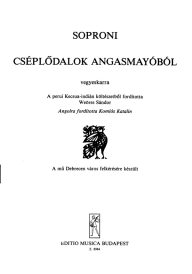
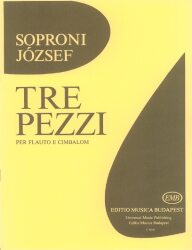
Soproni, József
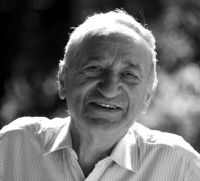
All works by Soproni show a high degree of technical control and a breadth of cultural interests. After the 1950s he turned his attention to the music of Bartók and to Bachian polyphony. From the mid-60s on he composed dodecaphonic music – but without employing serial principles. In the 1980s he began drawing on a range of historical styles, from plainchant to Stravinsky, while avoiding various trends towards tonality. In his masses and Latin motets, or in the choruses and Rilke songs, his sensitive word-setting and classical sense of form unite in an expression that is both individual and impulsive. In the string quartets and piano sonatas (genres central to his output) his easily intelligible style incorporates mystical lyricism and a distancing element typical of Stravinsky.
 
Biography

He was born on 4 October 1930 in Sopron. He started to play the piano in the music school of his hometown when he was six. He also completed the secondary school there, in the Széchenyi Grammar School. In 1949 he was accepted for the Ferenc Liszt Academy of Music in Budapest, where he studied with János Viski. He graduated in 1956. In 1962 he attended the Darmstadt summer courses and for the next three years composed only studies.

From 1957 on, he worked as a lecturer in music theory and composition for fifteen years in the Béla Bartók Secondary School for Music. Since 1962 he has been giving lectures at the Music Academy. In 1968 he became a reader there and since 1974 he has been a university professor at the Academy. During these years he was teaching counterpoint, score reading and composition. From 1988 to 1994 he was rector of the Ferenc Liszt Music Academy, and at the moment he is a professor emeritus there.

In 1992 he took part in the founding of the Széchenyi Academy of Letters and Arts; his inaugural ceremony took place in February 1999.
He died on 24 April 2024 in Budapest.
 

His prizes and awards

Erkel Prize (1974); Artist of Merit (1981); Bartók–Pásztory Award (1987, 2002); Outstanding Artist (1990); Kossuth Prize (1999); Péter Pázmány Prize (1999); Artisjus Prize (2008)
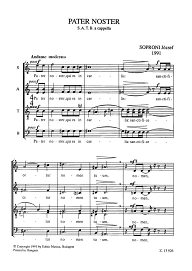
Miešaný zbor a cappella
$3.50
Oratóriá
$14.99
Komorný orchester
$21.99
Klavír štvorručne
$14.99
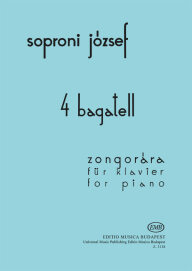
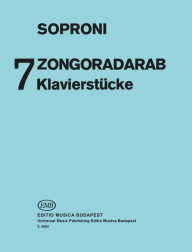
Klavír
$18.99
Saxofón a klavír
$14.99
Klavír
$14.99
Sláčikový súbor a klavír
$17.99
Klarinet
$4.99
Sláčikový súbor a klavír
$24.99
Kvarteto v zmiešanom obsadení
$17.99
Klavír
$13.99
Miešaný zbor a cappella
$3.75
Kvarteto sláčikových nástrojov
$18.99
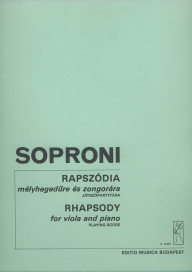
Viola a klavír
$13.99
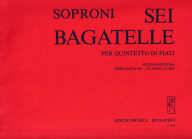
Kvinteto dychových nástrojov
$18.99
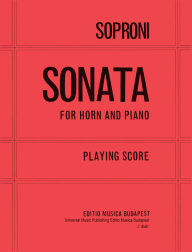
Lesný roh a klavír
$17.99
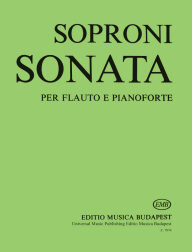
Flauta a klavír
$17.99
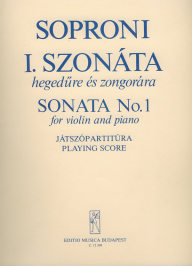
Husle a klavír
$21.99
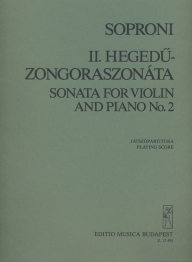
Husle a klavír
$15.99
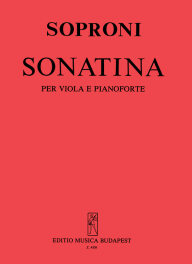
Viola a klavír
$19.99
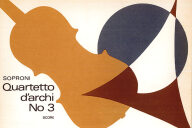
Kvarteto sláčikových nástrojov
$14.99
Spev a klavír
$13.99
Miešaný zbor so sprievodom
$9.50
Duo v zmiešanom obsadení
$13.99
Miešaný zbor a cappella
$4.95
Miešaný zbor a cappella
$3.75

Prihláste sa na odber nášho e-mailového newslettera

Zostaňte informovaní o najnovších novinkách a publikáciách

PRIDAJTE SA KU KOMUNITE

milovníkov hudby, pedagógov a interpretov