Deutsch
 English
 Español
 Français
 Magyar
 日本語
日本語 Română
 Slovenský
 Slovenščina
 中文
中文Droga utworów muzycznych od kompozytora do wykonawcy
Zadaniem wydawcy muzycznego jest nadawanie muzycznym myślom kompozytorów formy odpowiednio czytelnej, inspirującej i użytecznej dla wykonawców; dbanie o popularyzację, rozpowszechnianie i zgodne z prawem wykorzystanie utworów. Dzięki trzem czwartym wieku doświadczenia wykonujemy tę zaszczytną pracę fachowo, z zaangażowaniem i entuzjazmem.
Dziękujemy kompozytorom i pedagogom muzycznym za powierzenie nam opieki nad ich utworami.
Maros, Rudolf
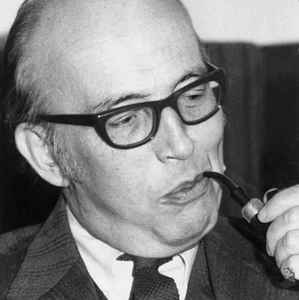 He began his career as a pupil of Zoltán Kodály. Although he could sample in 1949 some Western experiments in music at a master’s course held by Alois Hába, the decisive influences on his style were from Kodály and from Bartók, particularly from the discovery of the classicizing tones of the music of Bartók’s final years. Maros, up to the end of the 1950s, became one of the clearest and most successful exponents in Hungary of this folkloristic national classicism.
After the 1956 Revolution, Hungarian music moved steadily closer to West European models, which had been dismissed hitherto. Maros was among the first to apply knowledge of the expressionist Bartók, and of Webern, the Polish avantgarde and the Darmstadt serialists, to re-learning composition techniques and breaking with Hungarian traditions of the first half of the century. His first Western-style orchestral works ‒ the three Euphonies (1963‒65) ‒ sought a modern orchestral sound and came to serve as a model to be followed in Hungary. Yet his strong attraction to Hungarian tradition turned him back to more conservative composing from the 1970s onwards. In a word, his life’s work in orchestral and chamber music marked an attempt to balance modernity and tradition.
Biography
He died on 3 August, 1982 in Budapest.
His prizes and awards
Erkel Prize (1954, 1955 and 1957); Merited Artist of the Hungarian People’s Republic (1973); Outstanding Artist (1980)