Deutsch
 English
 Español
 Français
 Magyar
 日本語
 Polski
 Română
 Slovenský
 Slovenščina
音乐作品从作者到演奏者的旅程
音乐出版社的任务,是将手稿(无论是纸质还是电子版)整理成演奏者易于阅读、富有启发性且便于使用的形式;并确保作品得到推广、发行和合法使用。
凭借75年的经验,我们以审慎、投入和热忱从事这项崇高的工作。
我们感谢将其作品托付给我们的作曲家和音乐教师。
D
S
Dávid, Gyula
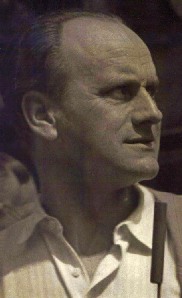 One of the most important members of the generation of Hungarian composers who followed Bartók and Kodály. His œuvre includes theatrical, orchestral, oratorial, chamber, and solo instrumental works. Although he rarely quoted folk material directly in his music, folksong, popular music and the spirit of the Hungarian musical tradition permeated his works. In the last two decades of his life he wrote atonal and twelve-tone compositions. With his Wind Quintet (composed 1949) he created a genre which plays an important role in the new Hungarian music.
Biography
Gyula Dávid was born in Kecskemét on May 6, 1913 . He studied composition with Albert Siklós and Zoltán Kodály at the Academy of Music Budapest Academy of Music Budapest Academy of Music Union .
He died inBudapest March 14, 1977 .
He died in
His prizes and awards
Kossuth Prize (1957); Erkel Prize (1952, 1955)