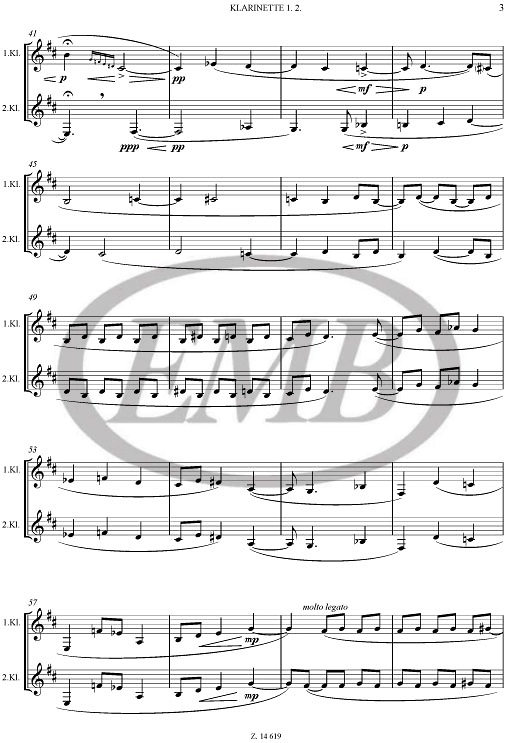
Futó Balázs: Müller-Schubert: Der Leiermann
für 2 Sinusgeneratoren, Klavier vierhändig, 2 Klarinetten (die 2. auch Bassklarinette) und Altstimme
partitúra és szólamok
A vásárlás és fizetés módját itt állíthatja be.
Online fizetéssel:
Vásároljon webboltunkban közvetlenül kiadónktól hitelkártyás fizetéssel. Így csak olyan kiadványokat tud megvásárolni, amelyek éppen készleten vannak vagy 15 napon belül beszerezhetők.
Utánvéttel:
Utánvéttel olyan kiadványokat is meg tud megvásárolni, amelyek 30 napon belül szerezhetők be
Bolti átvétellel:
Ha nem szeretne online vásárolni, akkor lehetőséget nyújtunk arra is, hogy rendelését weblapunkról egy Ön által kiválasztott hagyományos kottaboltnak küldje el. Ez utóbbi esetben mi csak közvetítünk, Ön a választott boltnak lesz a vásárlója, nekik kell fizetnie a boltban. A termékek kiszolgálása nem mindig a bolti készletből történik, így kérjük várja meg, amíg az üzlet értesíti arról, hogy mikor veheti át csomagját.
A vásárlás és fizetés módját itt állíthatja be.
A feltüntetett árak az adott készlet erejéig érvényesek.
Utánnyomás vagy új beszerzés esetén az ár módosulhat.
Kóruskották esetében az ár 1 db-ra vonatkozik.
A hatályos Szerzői Jogi Törvény értelmében tilos jogvédett mű kottáját reprográfiai módszerekkel (fénymásolás, szkennelés, fényképezés stb.) másolni a jogtulajdonos engedélye nélkül.
A tilalom vonatkozik a zeneiskolai és magáncélú másolásra is.
A szerzők vagy örököseik minden hivatalosan eladott kotta árából részesülnek. Az illegális másolás megfosztja őket a szellemi tulajdonukért járó jogos juttatástól.
(A fénymásológépek és egyéb reprográfiai eszközök árába korábban beépített "jogdíj" a kották vonatkozásában 2004-ben megszűnt.)